


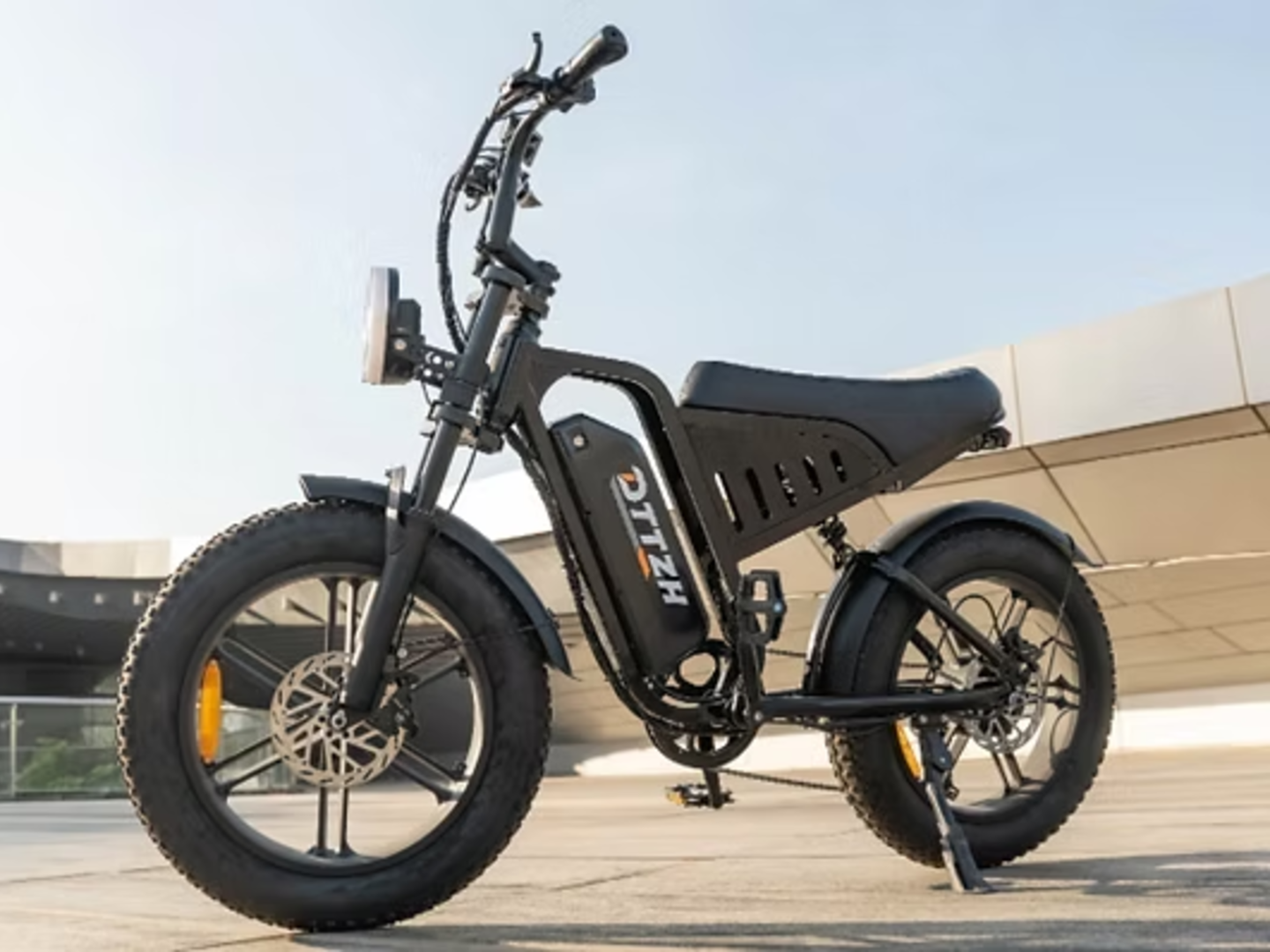
Introduction
An electric bike for adults 50 mph is not an ordinary city e-bike. It belongs to a much faster and more powerful category of electric two-wheelers, designed for riders who want strong acceleration, longer-distance performance, and a ride that feels closer to a lightweight motorbike than a regular bicycle.
This kind of bike can be exciting, practical, and useful for certain adult riders, but it also needs careful understanding. Speed changes everything. At 50 mph, braking distance becomes longer, small road bumps feel stronger, and rider protection matters much more than it does on a normal commuter e-bike.
Before buying one, it is important to understand power, range, battery safety, brakes, road laws, and riding responsibility. In many places, a 50 mph model may not legally qualify as a standard electric bicycle. That is why buyers should check local rules before riding on public roads, bike lanes, or shared paths.
What It Means
An electric bike for adults 50 mph usually means a high-performance electric bike built for adult riders who want much more speed than a regular pedal-assist bike. These models often use larger batteries, stronger motors, upgraded brakes, wide tires, reinforced frames, and suspension systems made for rougher or faster riding.
A normal commuter e-bike is usually made for comfort, short trips, errands, and moderate speed. A 50 mph electric bike is different. It is built around performance. The frame is heavier, the battery is bigger, and the motor produces enough power to move quickly from a stop and hold higher speeds on open roads or private property.
Still, the word “bike” can be confusing here. Just because a product looks like a bicycle does not always mean it is legally treated as one. A machine capable of 50 mph may be considered a moped, motorcycle, off-road vehicle, or another type of motor vehicle depending on local law.
Why Riders Choose It
Many adults look for fast electric bikes because they want a quicker way to travel without using a gas vehicle. For some riders, the attraction is daily commuting. For others, it is weekend adventure, off-road riding, private land use, or simply the feeling of having strong electric power under control.
A fast e-bike can reduce travel time, especially in open areas where slower e-bikes feel limited. It can also help riders climb hills, carry heavier loads, and cover longer distances with less effort. The instant torque of an electric motor can make the ride feel smooth and powerful, especially compared with a traditional bicycle.
However, not every adult needs this much speed. A rider using an e-bike for short city trips, relaxed neighborhood rides, or crowded bike paths may be better served by a slower and lighter model. A 50 mph electric bike makes sense only when the rider has the space, skill, legal permission, and safety gear to use it responsibly.
Speed Reality
The number 50 mph sounds simple, but real-world speed depends on many things. Rider weight, tire size, wind, road surface, battery charge, motor tuning, controller limits, and terrain can all affect the final top speed. A bike advertised as 50 mph may not reach that speed in every condition.
At this speed, the riding experience changes sharply. A pothole that feels minor at 15 mph can become dangerous at 50 mph. Loose gravel, wet pavement, or poor tires can quickly reduce control. Wind pressure also becomes more noticeable, especially on upright bikes with wide handlebars.
It is helpful to compare 50 mph with common e-bike speeds. Many regular electric bikes are designed for much lower speeds, often around 20 mph to 28 mph depending on the class and location. A 50 mph electric bike sits far above that range, so it should be treated with extra care.
Motor Power
Motor power is one of the biggest differences between a regular e-bike and a high-speed model. A commuter bike may focus on smooth pedal assist, while a 50 mph machine needs enough power to accelerate hard, climb hills, and maintain speed against wind and road resistance.
More power can be useful, but it also brings extra responsibility. Strong acceleration can surprise new riders. If the throttle is sensitive, the bike may move forward faster than expected. That is why smooth controller tuning, predictable throttle response, and a stable frame are just as important as raw motor size.
High power also creates more heat and places more stress on the drivetrain, tires, brakes, battery, and wiring. A well-built fast e-bike should not feel like a normal bicycle with an oversized motor added later. It should feel like a complete system where the motor, battery, frame, brakes, and tires are designed to work together.
Battery Range
Battery size affects how far the bike can travel, but speed has a major impact on range. Riding slowly with light pedal assist uses far less energy than holding high speed for long periods. A rider may see a good range estimate at moderate speed, then notice much faster battery drain when riding near 50 mph.
The most useful battery number is watt-hours. It gives a better idea of stored energy than voltage or amp-hours alone. A higher watt-hour battery can support longer rides, but the actual distance still depends on rider weight, hills, tire pressure, temperature, wind, and riding style.
Battery quality is especially important on high-performance electric bikes. A large battery stores a lot of energy, so poor design, weak chargers, bad wiring, or damaged cells can create real safety risks. Buyers should look for trusted battery systems, clear charging guidance, and reliable warranty support.
Battery Safety
Battery safety should never be treated as a small detail. High-speed electric bikes often use larger lithium-ion battery packs, and these packs need careful charging, storage, and maintenance. A cheap charger, damaged pack, or poorly built battery can become dangerous.
A careful buyer should look for a reputable battery brand, proper safety testing, a matched charger, clear warranty support, and replacement availability. It is also wise to avoid modified battery packs unless the work is done by qualified professionals. A fast bike should not be powered by guesswork.
Safe charging habits also matter. Riders should avoid charging damaged batteries, using random chargers, charging near flammable materials, or leaving the battery unattended for long periods. If a battery becomes swollen, unusually hot, or gives off a strange smell, it should not be used.
Brakes Matter
At 50 mph, brakes are not just a feature. They are one of the most important parts of the entire bike. A high-speed electric bike should have strong hydraulic disc brakes, quality brake pads, large rotors, and a system that feels controlled rather than grabby.
Stopping from high speed requires more distance and more heat control. Weak mechanical brakes may feel acceptable at low speed, but they can fade or feel underpowered during repeated hard stops. Good brakes should give the rider confidence without locking the wheels too easily.
Tires also work with the brakes. A strong brake system cannot perform well if the tires are poor. Wide, high-quality tires with the right speed rating and proper pressure help the bike stay stable while turning, braking, or riding over uneven surfaces.
Frame and Suspension
A powerful motor means little if the frame cannot handle the ride. A fast electric bike needs a strong frame, stable geometry, quality welds, and parts that are suitable for higher speed. Shaking, frame flex, or poor alignment can make the bike feel unsafe as speed increases.
Suspension also matters. A full-suspension setup can improve comfort and control, especially on rough roads or off-road paths. However, suspension must be strong and properly tuned. Soft or weak suspension can make the bike feel unstable during braking, cornering, or fast riding.
Weight is another factor. High-speed e-bikes are often heavier because of their batteries, motors, and stronger components. That added weight can make them harder to lift, store, transport, or control at slow speed. Buyers should think about daily handling, not only top speed.
Safety Gear
A normal bicycle helmet may not be enough for a machine capable of 50 mph. At this speed, riders should think more like motorcycle riders. A full-face helmet, gloves, protective jacket, long pants, eye protection, and strong footwear can make a major difference if something goes wrong.
Rider visibility is also important. Bright clothing, reflective details, strong lights, mirrors, and turn signals can help other road users see the rider earlier. This becomes especially useful during evening rides, bad weather, or mixed traffic conditions.
For a 50 mph electric bike, protection should match the speed and environment. Casual cycling clothes may be comfortable, but they may not offer enough protection in a high-speed fall. Good safety gear is not only for racing; it is part of responsible riding.
Legal Rules
This is where many buyers make a mistake. An electric bike for adults 50 mph may look attractive online, but it may not be legal to use like a normal e-bike on public streets, bike lanes, parks, or trails.
In many areas, standard electric bikes have speed and motor limits. A 50 mph electric bike may go far beyond those limits and may be treated as a moped, motorcycle, or off-road vehicle. That can mean different rules for registration, insurance, license, helmet use, lights, mirrors, and road access.
For riders in the United States, rules can vary by state, city, and riding area. For riders in the UK and many European countries, standard road-legal e-bikes usually have much lower speed and motor limits. Because of this, every buyer should check local laws before riding a 50 mph electric bike in public.
Daily Use
For daily riding, the best bike is not always the fastest bike. A 50 mph electric bike may be powerful, but it may also be heavy, expensive, and harder to park. It may need stronger locks, more secure storage, and more careful charging habits.
A commuter should think about the full journey. Are the roads suitable? Is there safe parking? Can the battery be charged properly? Are there hills, traffic lights, rough roads, or crowded areas? Is the bike legal on the route? These questions are more useful than simply asking how fast the bike can go.
A slower electric bike may be more practical for many adults. But for riders with open roads, private land, off-road trails where allowed, or specific performance needs, a high-speed electric bike can be a serious and enjoyable machine.
Buying Checklist
Before buying an electric bike for adults 50 mph, start with safety and legality. Check whether the bike is allowed where you plan to ride. Look at motor power, battery capacity, brake type, tire quality, frame strength, suspension, warranty, charger safety, and replacement part availability.
A good bike should come from a seller that clearly explains specifications and support. The brand should provide battery details, charger information, weight limits, water resistance guidance, and realistic range estimates. Be careful with listings that only talk about top speed and ignore brakes, tires, battery safety, and service.
Customer reviews can help, but they should not replace technical judgment. Look for long-term ownership feedback, not only first-day excitement. Pay attention to comments about battery health, controller issues, brake wear, loose bolts, tire problems, and after-sales service.
Common Mistakes
One common mistake is buying only for speed. Top speed is exciting, but it does not tell the whole story. A fast bike with weak brakes, poor tires, and no support can become a bad purchase quickly.
Another mistake is ignoring the law. Riders sometimes assume that if a bike is sold online, it must be legal to ride anywhere. That is not true. Sellers may market high-speed models for private land, off-road use, or areas with different rules. The rider is still responsible for following local law.
A third mistake is using light safety gear. At 50 mph, a rider should not dress like they are taking a slow ride around the block. Protection, visibility, and careful riding habits are part of owning a powerful electric bike.
Maintenance
Fast electric bikes need regular maintenance. Brake pads wear faster, tires take more stress, bolts can loosen, and batteries need careful charging. A rider should check tire pressure, brake feel, lights, throttle response, chain or belt condition, suspension, and wheel alignment often.
Battery care is also part of maintenance. Use the correct charger, avoid charging damaged batteries, keep the pack away from extreme heat, and do not ignore strange smells, swelling, overheating, or sudden range loss. If something feels wrong, stop using the battery and get professional help.
High speed puts extra load on every part of the bike. Regular inspection is cheaper than a crash, and it keeps the ride smoother and safer.
Final Thoughts
An electric bike for adults 50 mph can be a powerful and enjoyable choice for the right rider. It can offer fast travel, strong climbing ability, and a thrilling electric ride. But it is not the best option for everyone, and it should never be treated like a basic bicycle.
The smartest buyer looks beyond speed. Brakes, tires, battery safety, frame quality, legal status, protective gear, and service support all matter. A bike that reaches 50 mph should be built, maintained, and ridden with serious care.
In the end, the best high-speed electric bike is not simply the one with the highest number on the screen. It is the one that gives the rider control, confidence, safety, and reliability every time they ride.
