


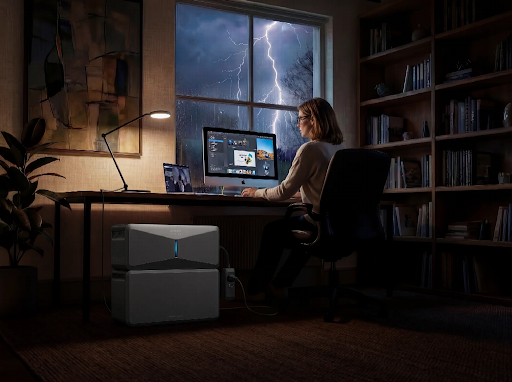
Extreme weather tests a household in stages. Before the storm, the work is preparation. During the storm, the work is shelter and conservation. After the storm, the work is recovery. Each stage has its own priorities, and the household that treats them separately responds better than one that improvises. This article walks through the three stages and explains what to do at each one, from securing the home to documenting the damage. The stages overlap in practice, but separating them makes the priorities clear. Preparation is quiet work, the storm is active work, and recovery is patient work. Each has its own pace.
Before the Storm
Secure Home
Before the storm, secure the building. Bring in loose objects, close shutters, trim branches that could hit the roof, and check that the gutters drain. Move valuables off the floor if flooding is possible, and charge every device. A home that is physically secure is easier to defend and cheaper to repair. The work takes an afternoon and prevents damage that would take months to fix. Anyone asking how many watts to run a house should think about the load the storm will create, not the load of a normal day. A storm adds a pump, a heater, and a fridge that runs more often, so the number is higher than it looks. Plan for the higher number. A written list helps, and one calm hour is enough to finish it.
Stock and Charge
Stock and charge are the second preparation. Fill water containers, check the food supply, and charge the backup. Charge it to full before the weather turns, and keep it off the floor in case of flooding. If it lives in a garage or a shed, make sure it is rated for the conditions there—the Anker SOLIX E10 Whole-Home Backup, for instance, carries NEMA Type 4 (IP66) protection and a -4 °F to 131 °F operating range. A full charge before the storm is worth more than a larger battery after it. Check the charge again the night before the weather arrives. It is simple, and the second check is worth the effort.
During the Storm
Shelter and Alerts
During the storm, shelter and alerts are the priorities. Move to the safest room, away from windows, and keep a battery radio on for official updates. Avoid using candles, and keep a flashlight within reach. If the authorities issue an evacuation order, follow it rather than defending the house. The goal during the storm is to keep people safe, not to keep the building dry. A weather radio that runs on batteries or a hand crank is the most reliable source of official information when the network is overloaded. Keep it with the flashlight, not in a drawer. Put them together. Keep the radio and the flashlight in the same place, ready to grab.
Conserve Battery
Conserve the battery during the storm. Run only the essential loads, and cycle them rather than leaving everything on. Keep the fridge closed, use one light at a time, and charge phones only when needed. A pack that lasts four days at a low draw may last one day at a high draw. Conservation is a skill, and it is easier when the family has practiced it before. A household that has practiced conservation uses far less than one that has not, because the habits are already in place. The practice is the preparation. Every hour. Small habits, practiced early, carry a household through the longest, coldest night.
After the Storm
Check People and Damage
After the storm, check people first and damage second. Account for everyone, check on neighbors, and treat injuries before inspecting the property. Then look for structural damage, downed lines, and water intrusion. Do not touch a downed line, and do not enter a flooded basement. The first hour after a storm is when most accidents happen, because people are tired and eager to start cleaning. A written contact list and a meeting point are worth more than a phone that may be dead. Agree on both before the season, and tell every member of the household. That is the plan. Agree on the plan while the weather is calm, not during the storm.
Document and Restore
Document and restore last. Photograph the damage before you move anything, and keep receipts for repairs and replacements. Contact the insurer early, because the queue grows quickly. Restore power only after the utility confirms it is safe, and have an electrician check the panel if there was flooding. The documentation is tedious, but it is what turns a loss into a claim. A phone camera is enough for the documentation, as long as the photos are backed up somewhere. Take wide shots first, then close-ups, and note the date and time. The order helps. Store the photos in the cloud as well as on the phone. Do it that night.
Conclusion
Prepare, shelter, and recover are the three stages, and each one has its own work. Secure the home and charge the backup before the storm, shelter and conserve during it, and document and restore after. The stages are simple, but they only work when they are planned in advance. A household that knows the sequence moves through an extreme weather event with less damage and less fear. Prepare, shelter, and recover are the three stages, and each one has a clear job. The household that knows the sequence spends less time deciding and more time acting, which is exactly what an extreme weather event rewards.
