


Technology has become an important part of everyday life. From online education and communication to business and entertainment, digital tools are changing how people work and learn. However, getting started with technology can feel difficult, especially for beginners who have little experience with computers or programming.
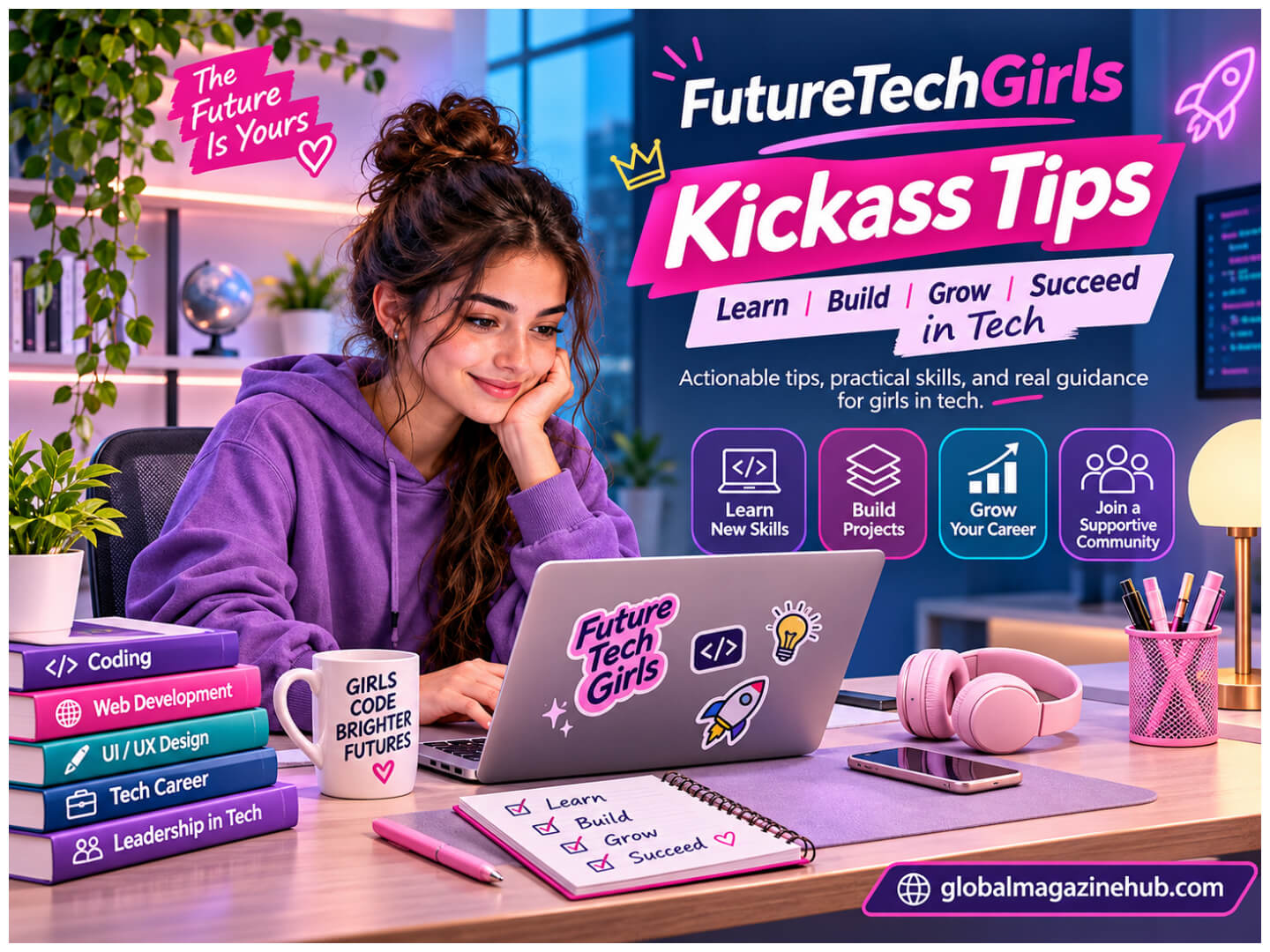
Kickass Tips FutureTechGirls focuses on practical advice for learning technology skills, building confidence, and exploring opportunities in the digital world. Whether you are a student, interested in coding, or considering a technology career, developing basic digital knowledge can make a meaningful difference.
This guide explains how beginners can learn useful technology skills, find reliable resources, practise through projects, and develop habits that support continuous learning.
What Is Kickass Tips FutureTechGirls?
Kickass Tips FutureTechGirls is a phrase associated with FutureTechGirls, a website that publishes articles about technology, gaming, digital skills, and career development.
Its content encourages beginners to explore technology through practical activities instead of becoming overwhelmed by complicated concepts.
The central idea is simple: technology becomes easier to understand when people learn gradually and practise regularly.
Although the platform often focuses on encouraging young women interested in technology, its advice can benefit anyone who wants to improve their digital knowledge.
Why Learning Tech Skills Matters
Technology skills are useful in education, employment, and everyday activities. Many workplaces now depend on digital communication, spreadsheets, online collaboration, and information management.
Learning these skills can improve productivity and make unfamiliar applications easier to understand.
Digital knowledge also helps people recognise unreliable information, protect their accounts, and use online services responsibly.
As technology continues to develop, the ability to learn new tools is becoming increasingly valuable. Building foundational skills helps people adapt without needing to master every emerging technology.
Start With Basic Digital Skills
Beginners should become comfortable with everyday computer activities before exploring complicated technical subjects.
Start by learning how to manage files, create folders, download documents, and organise information. Understanding email, cloud storage, and online collaboration tools is equally important.
Spreadsheets are another useful starting point. Learning basic formulas, sorting information, and creating tables can improve organisation and introduce logical thinking.
Internet research skills also matter. Checking publication dates, comparing reliable sources, and identifying misleading information can make online learning more effective.
These abilities create a foundation for programming, data analysis, and other technical subjects.
Choose the Right Technology Skills
Technology includes many different fields, so deciding what to learn first can feel confusing.
Begin by considering your interests. If you enjoy designing websites, web development might be suitable. If you prefer working with numbers and information, data analysis could be worth exploring.
Other options include cybersecurity, digital design, programming, and technical support.
You do not need to choose a permanent career immediately. Experiment with introductory lessons to discover which subjects you enjoy.
Focus on one skill at a time. Developing a clear understanding of one subject makes exploring related technologies easier later.
Learn Coding Step by Step
Coding is an important skill in many technology careers, but beginners do not need advanced knowledge to start.
Python is a popular introductory programming language because its syntax is relatively readable. JavaScript is another useful option, particularly for people interested in interactive websites.
Start with basic concepts such as variables, conditions, loops, and functions. Understanding these ideas provides a foundation for writing simple programs.
Practise by creating small projects, such as calculators, quizzes, or basic webpages.
Mistakes are a normal part of programming. Reading error messages and testing solutions helps develop problem-solving abilities.
Consistent practice is more beneficial than rushing through lessons without understanding them.
Explore Free Learning Resources
Learning technology does not always require expensive courses. Several established educational platforms offer free materials for beginners.
freeCodeCamp provides interactive coding lessons and projects covering web development and programming.
MDN Web Docs offers detailed explanations of HTML, CSS, JavaScript, and web development concepts.
Khan Academy provides introductory computing lessons and other educational resources.
Beginners can also benefit from official software documentation, educational videos, and structured online tutorials.
Choose resources that match your experience level. Following one organised course is generally more manageable than switching between several unrelated tutorials.
Build Skills Through Practical Projects
Practical projects help turn theoretical knowledge into real abilities.
Someone learning web development could create a personal website. A beginner interested in data could organise information using spreadsheets or develop a simple chart.
Projects do not need to be complicated. Even small activities can demonstrate how different technical concepts work together.
Start with a clear objective, divide the work into manageable tasks, and solve problems as they appear.
Keep copies of completed projects and record what you learned.
Over time, these examples can become part of a portfolio that demonstrates your progress and practical experience.
Develop Problem-Solving Skills
Technology often involves identifying problems and finding practical solutions.
When something does not work, begin by understanding what went wrong. Break complicated issues into smaller parts and examine them individually.
For example, if a webpage displays incorrectly, check its structure and styling before making unnecessary changes.
Reading documentation and asking clear questions can also help.
Problem-solving improves through patience, observation, and repeated practice. Learning how to investigate errors is just as important as understanding how a program works.
Understand Online Safety
Digital skills should include an understanding of cybersecurity and online privacy.
Use strong, unique passwords and enable multifactor authentication whenever possible. These measures can help protect online accounts.
Be cautious with suspicious emails, unexpected attachments, and unfamiliar links. Phishing messages may attempt to obtain passwords or sensitive information.
Regular software updates are also important because they can address security vulnerabilities.
Review privacy settings and avoid sharing unnecessary personal information online.
The Cybersecurity and Infrastructure Security Agency recommends basic protective habits, including recognising phishing, using strong passwords, enabling multifactor authentication, and updating software.
Connect With Technology Communities
Learning technology becomes more enjoyable when beginners can exchange ideas and ask questions.
Online forums, educational groups, coding clubs, and technology workshops provide opportunities to connect with people who share similar interests.
These communities allow learners to discuss challenges, discover resources, and receive feedback.
Beginners should not feel pressured to demonstrate advanced knowledge. Reading discussions and asking thoughtful questions can be valuable learning activities.
Choose respectful, well-moderated communities and protect your personal information when interacting online.
Find Mentors and Learn From Others
Mentors can help beginners understand unfamiliar subjects and make informed learning decisions.
A mentor might be a teacher, experienced developer, or technology professional willing to share practical guidance.
They can recommend learning materials, review projects, and explain common mistakes.
However, formal mentorship is not essential. Educational communities, professional discussions, and reliable tutorials can also provide helpful direction.
The important thing is to remain open to constructive feedback and apply useful suggestions.
Create a Simple Learning Routine
Regular practice helps beginners build confidence and remember new concepts.
Create a realistic weekly schedule that fits your studies, responsibilities, and interests.
Set specific goals, such as completing one lesson, practising a programming concept, or improving a project.
Keep brief notes about what you learn and review difficult topics when necessary.
Taking breaks is also important. A balanced routine makes learning more sustainable and prevents unnecessary frustration.
Progress should be measured through understanding and practical achievements rather than study hours alone.
Common Mistakes Beginners Should Avoid
One common mistake is attempting to learn too many technical subjects simultaneously. This can create confusion and make it difficult to understand fundamental concepts.
Another problem is watching tutorials without completing practical exercises.
Beginners should also avoid comparing their progress with experienced professionals. Everyone develops skills at a different pace.
Ignoring basic concepts or abandoning projects after encountering errors can slow progress.
Instead, focus on manageable goals, practise independently, and treat mistakes as opportunities to improve.
Explore Future Career Opportunities
Technology skills can create pathways into several professional fields.
Software development involves building applications and digital systems. Data analysis focuses on organising and interpreting information.
Cybersecurity professionals help protect computer systems and sensitive data, while user-experience designers improve how people interact with digital products.
Other possibilities include technical writing, IT support, and digital project coordination.
Different careers require different qualifications and abilities. Completing beginner courses does not guarantee employment, but practical experience and further education can support career development.
How FutureTechGirls Inspires Beginners
FutureTechGirls promotes an approachable view of technology learning.
Its articles highlight curiosity, practical experience, community participation, and confidence as important parts of personal development.
This message can be particularly helpful for people who believe technology is too complicated or requires extensive experience.
By encouraging manageable goals and consistent improvement, Kickass Tips FutureTechGirls presents technology education as something people can explore at their own pace.
Its broader message is that anyone with curiosity and access to suitable learning resources can begin developing useful digital skills.
Frequently Asked Questions
What is Kickass Tips FutureTechGirls?
It refers to technology-learning advice associated with the FutureTechGirls website, including guidance about digital skills, coding, career development, and confidence.
Which technology skill is best for beginners?
Basic digital literacy, spreadsheets, HTML, and introductory Python are useful starting points. The best choice depends on personal interests and goals.
Can I learn technology skills for free?
Yes. Platforms such as freeCodeCamp, Khan Academy, and MDN Web Docs offer free educational resources suitable for different experience levels.
Do all technology careers require coding?
No. Some technology-related roles focus on design, communication, project coordination, or technical support rather than programming.
How can beginners practise technology skills?
Beginners can create simple websites, organise spreadsheets, complete coding exercises, and develop small projects related to their interests.
Conclusion
Learning technology skills does not require advanced experience or expensive resources. With clear goals, reliable educational materials, and regular practice, beginners can gradually develop useful digital abilities.
Kickass Tips FutureTechGirls encourages learners to explore technology through practical projects, supportive communities, and manageable learning routines.
Whether you want to understand computers, learn coding, or explore future career opportunities, starting with basic skills is a sensible approach.
The most important thing is to remain curious, practise what you learn, and recognise that meaningful progress develops through experience.
