


Introduction:
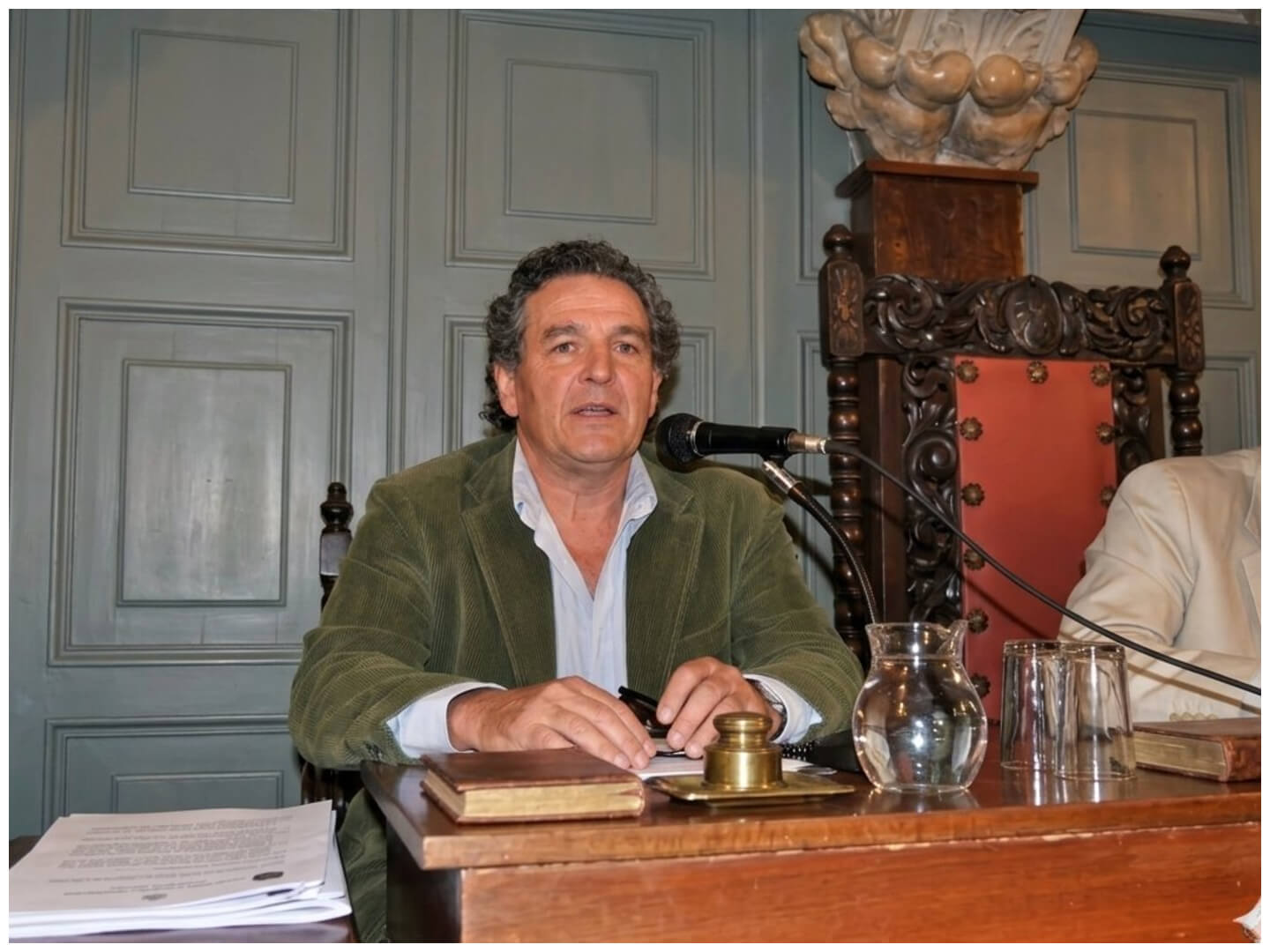
Carlos Scola Pliego is a Spanish filmmaker whose name is often associated with one of the most respected voices in international music, Sade Adu. While many people discover him because of his marriage to the legendary singer, Carlos has his own identity as a filmmaker who contributed to the Spanish cinema industry.
Unlike many individuals connected to famous personalities, Carlos Scola Pliego has maintained a quiet and private lifestyle. He has rarely appeared in the media, shared personal details publicly, or sought attention outside his professional work. This sense of privacy has made him a person of interest among fans who want to learn more about his background, career, and personal journey.
His story combines creativity, cinema, relationships, and a conscious decision to stay away from the constant spotlight. From his work as a filmmaker to his connection with Sade Adu, Carlos Scola Pliego represents someone whose life has been shaped by artistic passion and personal privacy.
Early Life and Background of Carlos Scola Pliego
Very little detailed information is publicly available about Carlos Scola Pliego’s early life. Unlike actors, musicians, and other public figures who often have extensive biographies, Carlos has kept information about his childhood, family, and education largely private.
What is known is that he is Spanish and developed an interest in filmmaking and visual storytelling. Spain has a rich cinematic tradition, producing filmmakers who have explored different forms of storytelling, from personal dramas to documentaries and experimental cinema.
His professional path suggests that he had a strong interest in the creative process behind films. Instead of becoming a performer in front of the camera, Carlos focused on the work that happens behind the scenes, where directors and production teams transform ideas into finished films.
His decision to work in filmmaking reflects a passion for storytelling and creativity rather than a desire for public recognition.
Carlos Scola Pliego’s Journey Into Filmmaking
Carlos Scola Pliego developed his career within the Spanish film industry, working as a filmmaker, director, and assistant director. His professional journey took place during a period when Spanish cinema was experiencing significant creative growth.
Filmmaking requires much more than simply creating a story. Directors must understand visual composition, performances, production planning, editing, and collaboration with different teams. Carlos’s involvement in cinema shows his understanding of these important aspects of filmmaking.
Although he never became a globally recognized director, his work represents the contributions of many talented professionals who help shape cinema without becoming famous themselves.
His career demonstrates dedication to the craft of filmmaking and highlights the importance of creative professionals who work outside mainstream attention.
Exploring His Film Career and Professional Work
Carlos Scola Pliego’s professional background is mainly connected with Spanish cinema. His known work includes directing and production roles that reflect his involvement in filmmaking during the late 1980s.
One of his recognized projects is “Ngira: Gorilas en la montaña” (1988), a film project that showed his interest in documentary-style storytelling. He was also associated with “Donde termina el corazón” (1989), another work connected to his filmmaking career.
Apart from directing, Carlos also worked in roles such as assistant director. These positions are essential in film production because they involve coordinating teams, organizing schedules, and supporting the director’s creative vision.
Working behind the camera requires strong organizational skills, creativity, and patience. Carlos’s career reflects a person dedicated to the filmmaking process rather than seeking fame.
Notable Projects Associated With Carlos Scola Pliego
Ngira: Gorilas en la montaña (1988)
One of Carlos Scola Pliego’s known film-related works is “Ngira: Gorilas en la montaña.” The project represents his involvement in documentary-style filmmaking and storytelling focused on real-world subjects.
Documentary filmmaking allows creators to explore nature, people, cultures, and important topics through observation and research. It requires filmmakers to balance storytelling with authenticity.
Carlos’s involvement in this type of project reflects his interest in exploring different forms of cinema beyond traditional fictional storytelling.
Donde termina el corazón (1989)
Another project linked with Carlos Scola Pliego is “Donde termina el corazón.” This work represents his contribution to Spanish cinema during the late 1980s.
Although detailed information about many of his projects is limited, these credits show that Carlos was an active participant in the film industry and had experience working on professional productions.
His career reflects the journey of many filmmakers whose work contributes to cinema history even when they remain outside mainstream recognition.
How Carlos Scola Pliego Became Known Internationally
For many people around the world, Carlos Scola Pliego became recognized because of his connection with Sade Adu, the internationally famous singer and songwriter.
Sade Adu became one of the most influential artists in contemporary music, known for her unique voice, elegant style, and timeless songs. Because of her global popularity, people naturally became interested in the individuals connected to her personal life.
Carlos gained public attention after becoming part of Sade’s story, but his identity extends beyond that relationship. Before his connection with the singer became widely known, he had already established himself as a filmmaker.
His story shows how relationships with famous individuals can sometimes bring unexpected attention to people who previously worked away from public focus.
Carlos Scola Pliego and Sade Adu: The Story of Their Relationship
Carlos Scola Pliego and Sade Adu became known as a private couple during a period when Sade’s international career was growing rapidly.
The couple married in 1989. Their relationship brought together two creative personalities from different artistic backgrounds: Carlos from the world of cinema and Sade from the world of music.
Despite their public interest, both individuals maintained a relatively private approach toward their relationship. They did not frequently discuss their personal life publicly, which left many details unknown.
Their marriage represented a connection between two artists who worked in different creative fields. While their relationship eventually ended, it remains one of the most discussed parts of Carlos Scola Pliego’s public story.
Marriage, Separation, and Life After Divorce
Carlos Scola Pliego and Sade Adu’s marriage ended in divorce in 1995.
The exact details surrounding their separation have remained private, as both individuals have generally avoided discussing personal matters publicly.
After their divorce, they continued their separate paths. Sade continued her successful music career, while Carlos remained largely away from media attention.
Their separation did not result in public controversy, and both individuals maintained a respectful level of privacy regarding their personal history.
Carlos Scola Pliego’s Private Lifestyle
One of the most defining aspects of Carlos Scola Pliego’s life is his preference for privacy.
In an age where many public figures share large parts of their personal lives online, Carlos has chosen a different approach. He has not actively pursued fame and has largely stayed away from public discussions.
Limited information exists about his current activities, personal interests, and lifestyle. This lack of public information has increased curiosity about him, but it also reflects his choice to maintain boundaries between his professional and personal life.
His private nature is one of the reasons he remains an interesting figure. Instead of seeking constant attention, he has allowed his creative work and personal choices to define him.
The Difference Between Fame and Recognition
Carlos Scola Pliego’s story highlights the difference between fame and recognition.
Some individuals become famous because of major achievements, while others become known because of their relationships with famous people. Carlos represents both sides in different ways.
He has recognition as a filmmaker because of his involvement in cinema, but much of the public curiosity surrounding him comes from his marriage to Sade Adu.
Understanding his complete story means looking beyond his personal relationship and appreciating his professional journey as a creative individual.
Public Interest in Carlos Scola Pliego Today
Interest in Carlos Scola Pliego continues because people remain fascinated by individuals connected to influential artists.
Fans of Sade Adu often search for information about important people from her life, while cinema enthusiasts may be interested in discovering lesser-known filmmakers.
His story continues to attract attention because it combines creativity, relationships, and mystery. The limited information about his personal life has made him a unique figure compared with many other celebrity-connected individuals.
Frequently Asked Questions About Carlos Scola Pliego
Who is Carlos Scola Pliego?
Carlos Scola Pliego is a Spanish filmmaker known for his work in cinema and his marriage to singer Sade Adu.
What is Carlos Scola Pliego famous for?
He is mainly recognized publicly because of his relationship with Sade Adu, but he also has a background in filmmaking.
When did Carlos Scola Pliego marry Sade Adu?
Carlos Scola Pliego married Sade Adu in 1989, and their marriage ended in 1995.
Did Carlos Scola Pliego and Sade Adu have children together?
Publicly available information indicates that they did not have children together.
What does Carlos Scola Pliego do now?
There is limited public information about his current activities because he has maintained a private lifestyle.
Conclusion:
Carlos Scola Pliego’s life is a combination of artistic work, personal experiences, and a preference for staying away from unnecessary attention.
While many people know him because of his relationship with Sade Adu, his own journey as a filmmaker deserves recognition. His involvement in Spanish cinema demonstrates his passion for storytelling and creative expression.
His story is not only about being connected to a famous singer. It is also about a filmmaker who built his own path, contributed to cinema, and chose a quieter life away from the spotlight.
